See also: Construction of a figurine | Gallery of metal figurines
We use a wide range of metal products and components to create our figurines. Similarly to glass, we can make entire figurines out of metal as well as add-ons to figurines made from other materials. In our production, we use several metal alloys that differ in their technical properties and possibilities in different processing methods, but also mainly in color.
The basic metal alloys we use are:
a) Oxidized steel
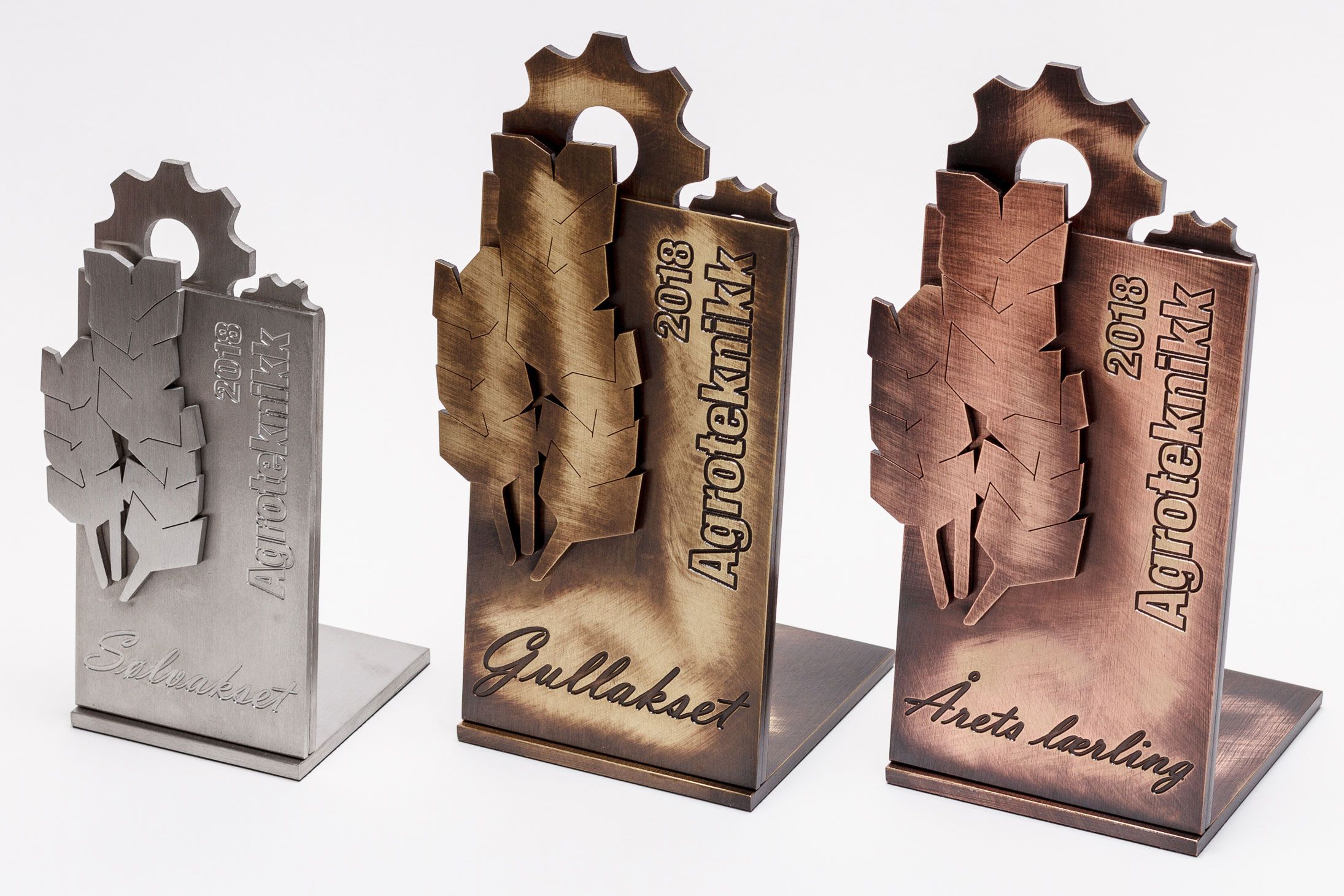
Oxidized steel is one of the basic materials we use to build our figurines or structural elements. We mainly create sculpture-like figurines from it, which themselves are small works of art. Since steel quickly rusts, we oxidize or metalize all metal figurines, for example, by chroming them to protect them from corrosion and give them their final exclusive appearance. In the case of oxidizing metal figurines, we achieve a color similar to that of bronze cast figurines.
b) Stainless steel
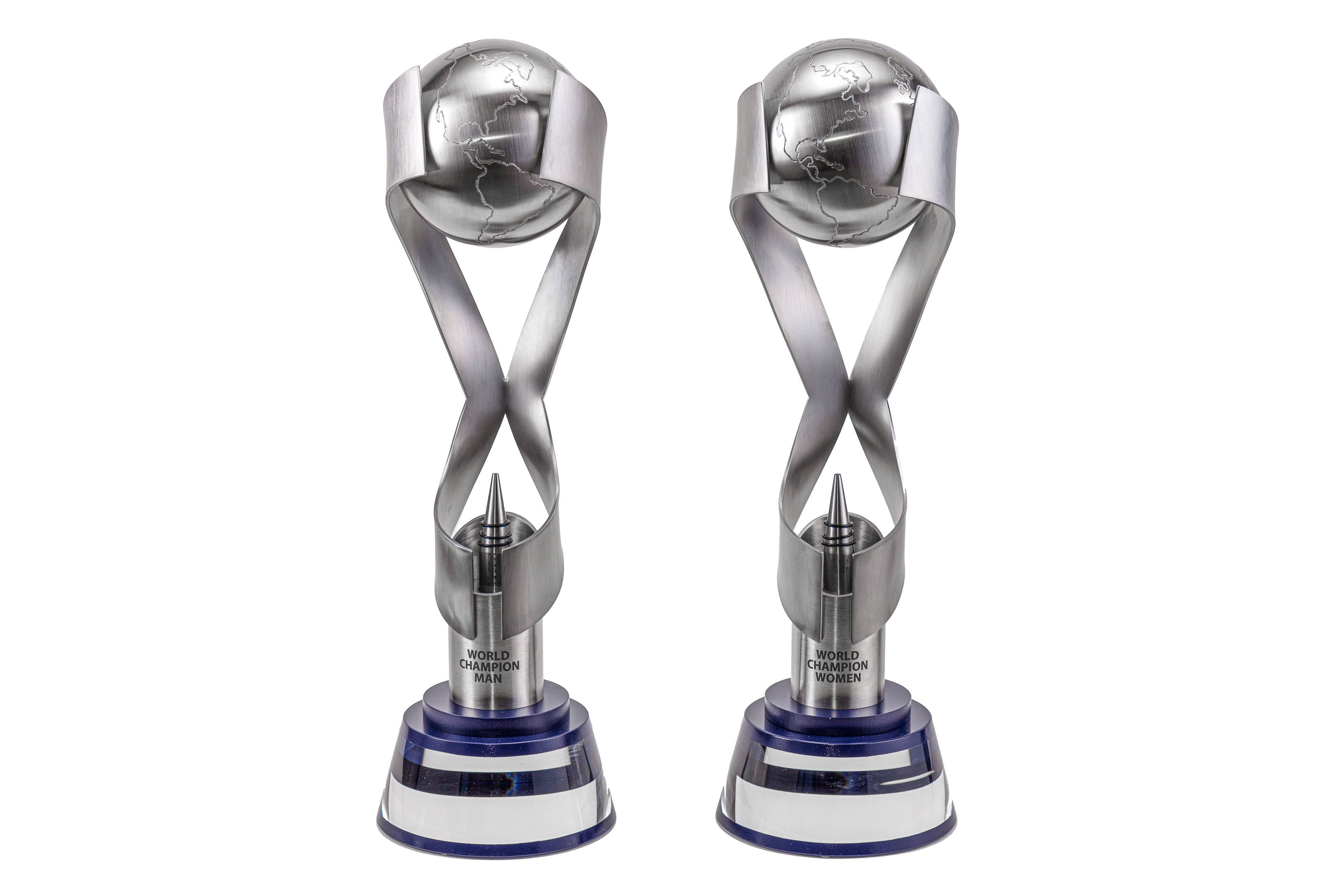
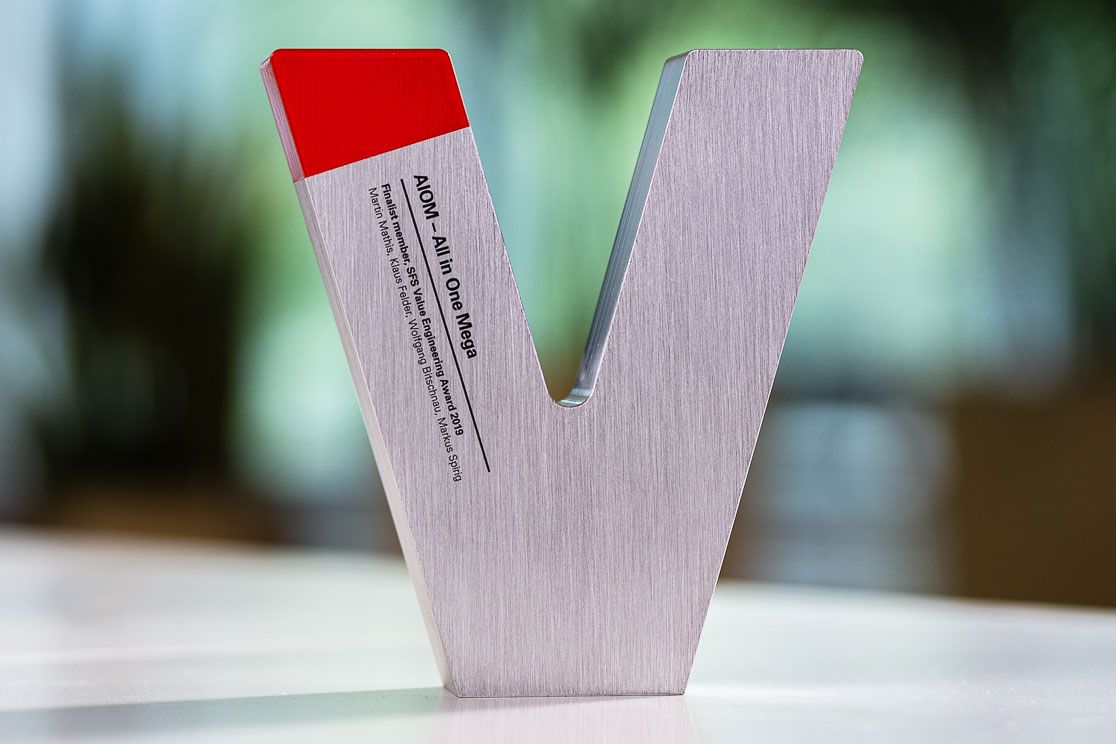
Stainless steel is a separate type of steel that, as the name suggests, is resistant to rusting. Thanks to this, elements made of steel do not need to be coated with any additional protective layer. Stainless steel is characterized by a silver-gray color. We can make flat elements and flat but bent elements from stainless steel. Additionally, we can build spatial forms (usually simple and hollow inside) from it, in the TIG/MIG welding process.
c) Brass
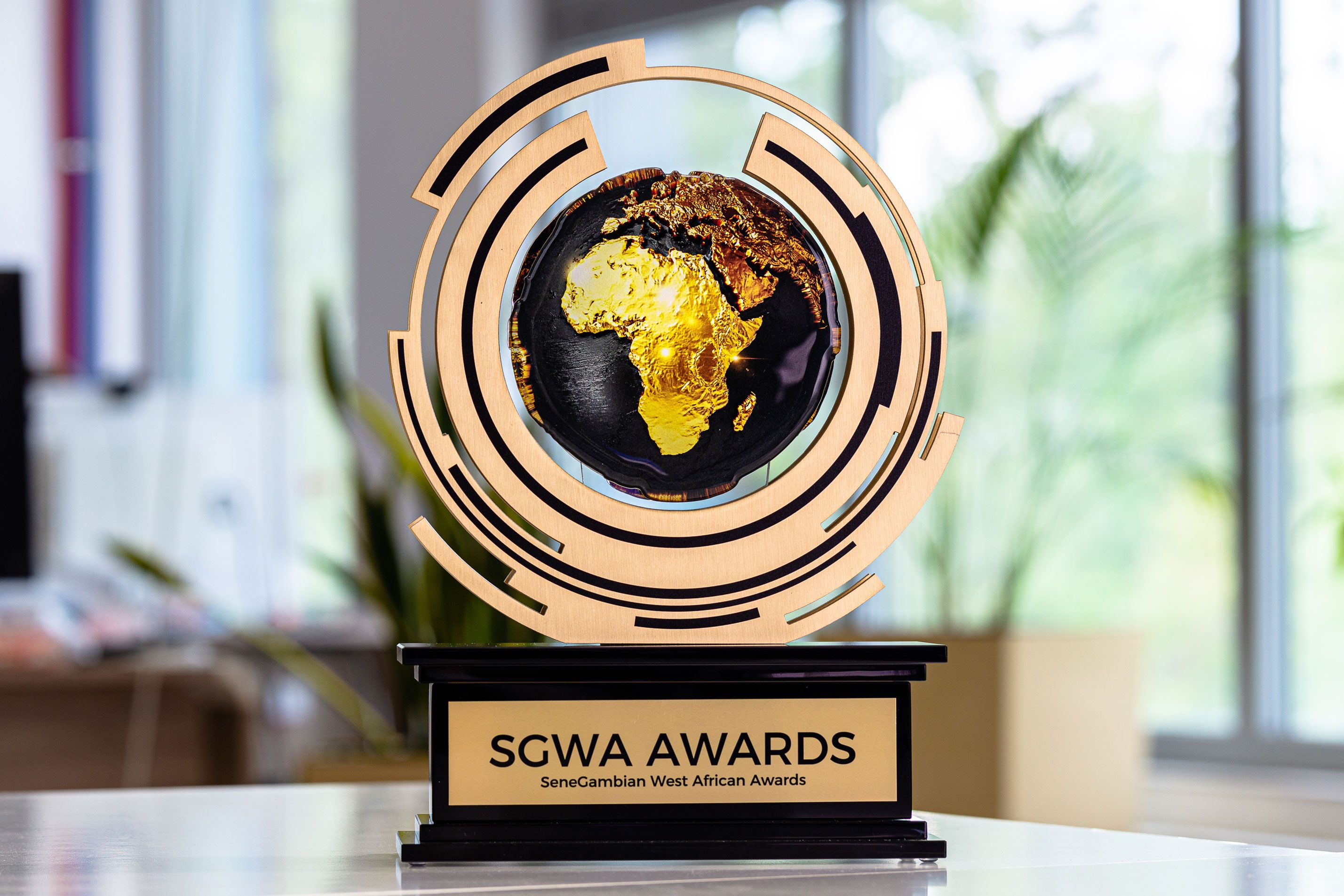
We use brass in our creations similarly to steel. The most distinguishing feature of brass and the one that has the greatest significance for us when creating figurines is its color. Brass has a golden color and is often used to create figurines in a gold-like color. Due to its easy oxidation (and therefore color change), we cover brass with a clear lacquer. Unprotected by lacquer, it tarnishes after just a few days when exposed to water or a humid environment.
d) Aluminum
Aluminum is a gray-silver metal that is much lighter and softer than steel. Because it is easier to process, we mainly use it for spatial and thicker elements. It is often used to create blocks or metal bases, as well as figurines with more complex shapes machined on CNC milling machines.
e) Casting
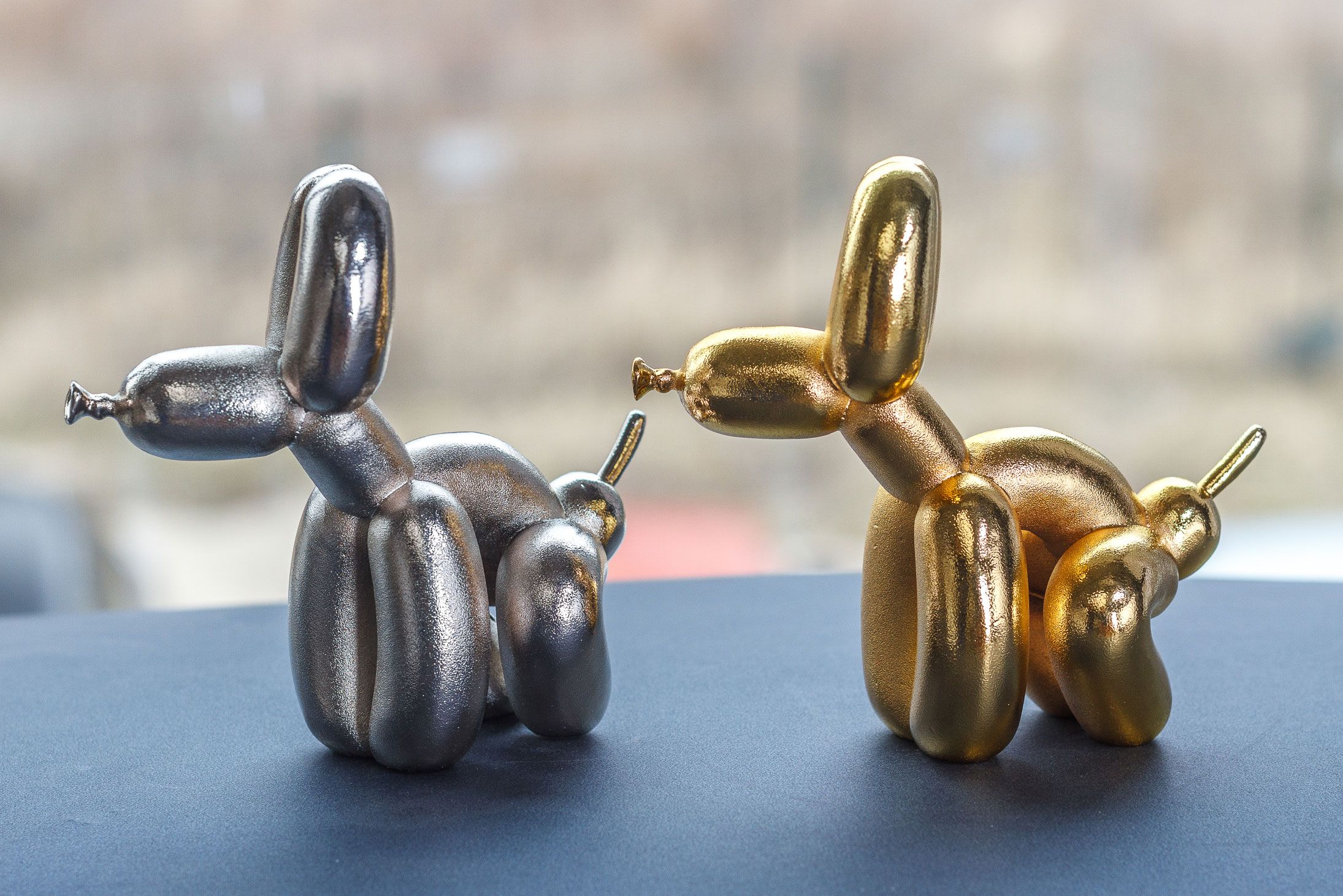
Figurines can be cast. Typically due to cost, we use zinc and aluminum alloys for casting. We usually use this technology for orders of more than 50 pieces, due to the high initial costs. It is necessary to prepare a computer 3D model that serves as a pattern for the preparation of a physical model made, for example, in 3D technology, and then for the preparation of molds for casting metal figurines. Figurines cast from zinc and aluminum alloys are a very exclusive group of figurines, not only presenting themselves nicely but also very durable. Zinc alloy guarantees a certain flexibility of the metal, which prevents small elements from breaking and allows them to bend under pressure or accidental hits.
Metal finishes
Metals, in addition to their technological and color properties, allow us to manipulate the surface. Depending on the technology used, we can achieve interesting and diverse effects.
a) Brushing
Brushing is a technique used to give a matte or semi-matte finish to the surface of metal by applying thousands of parallel "scratches". Brushing is carried out with a specialized yet relatively simple tool, which is used to repeatedly brush the surface to achieve the desired texture.
Brushing is the most popular metal finish used in our creations.
b) Polishing
Polishing of metals involves giving a mirror-like shine to the surface of the metal. It is a tedious process that requires perfect accuracy. Polished elements look very impressive and reflect light in a characteristic way. However, any imperfections in the material and finish are very clearly visible on a polished surface. Polished elements must be handled with great care, as even the slightest scratch can cause negative aesthetic effects.
c) Sandblasting
Sandblasting metal, like with glass, gives it a uniform matte structure. Sandblasting is used to achieve this effect.
d) Painting
We can paint any type of metal, either entirely or in fragments. When the entire element is to be painted, we usually make it out of steel (mainly due to easy processing and low cost of the material). We can apply paint in any color to metal elements.